
IT was initially known as Dingaan’s Day from the 1950s to the 1980s, then the Day of the Vow.
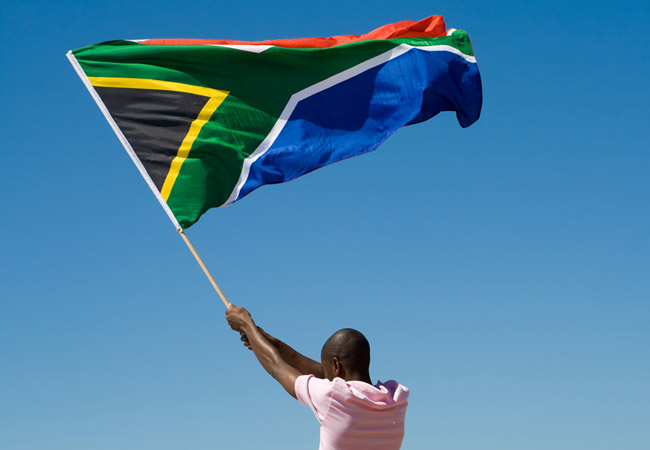
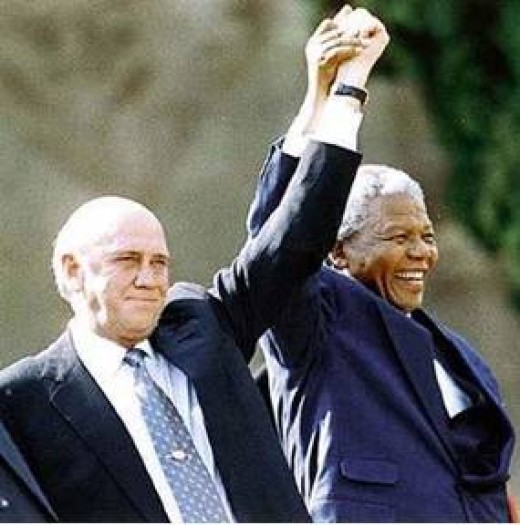
After the first democratic elections in 1994, the name was changed once more and celebrated as the public holiday known as the Day of Reconciliation.
This was an attempt by the government of the day to strike a balance between a divided past and promoting national unity and reconciliation in a new political dispensation.
For me reconciliation is about the quality of relationships between people, communities and even nations who were, still are, estranged from each other, often because of the intense pain and hurt inflected and experienced. One wonders how much of this has been achieved by ordinary South Africans of various political formations?
As a country are we there yet?
The fact that you know your neighbour killed your entire family and now you are still in the house next to them and have to see them every day, so what do you do?
A lot of people have sort of decided, ‘I don’t have a choice and either I can let my rage absolutely consume me, or I can accept the fact that I’m not going anywhere, and he is not going anywhere. We have to make this work.’
But then if we are committed to reconciliation, we must ensure that our housing policy, education policy, investment and employment policies are designed to ensure that division, ignorance and bitterness are not transmitted to our children.