Temporary coal terminal plan halted
The Department of Environmental Affairs rejects the Port Authority’s BAR

THE Department of Environmental Affairs (DEA) threw a spanner in the works of Transnet National Ports Authority’s (TNPA) proposal for a temporary coal terminal at the Port of Richards Bay.
TNPA’s Basic Assessment Report (BAR) was last week denied owing to insufficient project details relating to a third coal storage facility on 10 hectares of undeveloped land along the harbour arterial road.
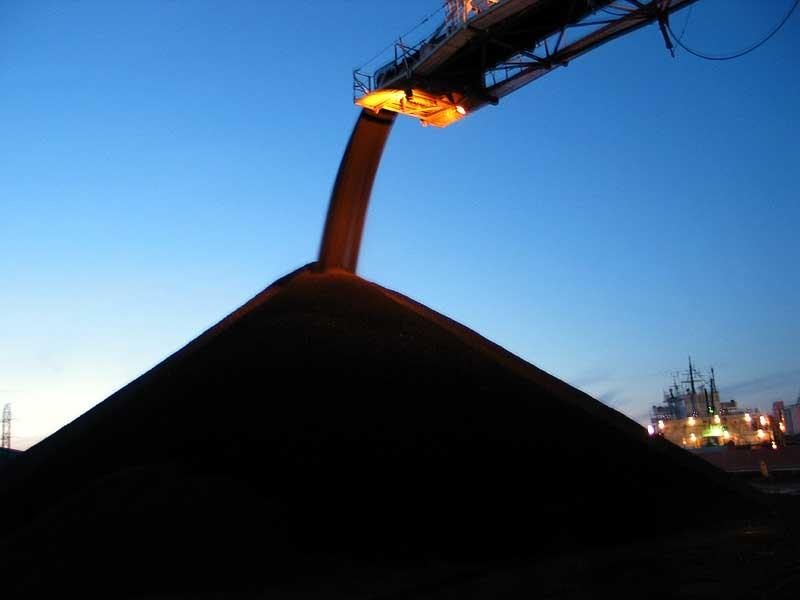
If the assessment process goes smoothly moving forward, the terminal will only have a short lifespan of five to ten years, during which time it is expected to export between four to eight million tons of coal per annum.
For now, however, the Port Authority is required to submit a second BAR elaborating on the planned road construction, noting key impacts on ground and storm water, specifying the exact lifespan of the operation and include comments from the Department of Water Affairs and Amafa Heritage KZN.
‘The Department cannot accept key impacts of the proposed development not being assessed in the BAR,’ the DEA said in its rejection letter.
‘A geo-hydrological assessment and the storm water management system must be attached to the amended BAR.
‘Some areas stipulate that it will operate for a period of seven years and other areas speak of five to 10 years. A defined lifespan of the proposed development is required.’
The site earmarked for the project has direct access to the 30-metre wide berth 606, which will be the only operational area necessary to load coal from the facility.
It is also already serviced with rail access via the under-utilised uMhlathuze rail yard.
Furthermore, road access to the site, electrical and water lines, storm water and sewerage networks will all link up with the existing networks in the Port precinct.
Currently the area is being used to store in-fill sand heaps from the port dredging activities, but the Authority plans to push this material to one side to create a wind barrier and reduce wind speeds over the coal stockpiles.