
8 saving tips to prevent post-holiday debt
Credit experts warn of post-holiday payday maydays.
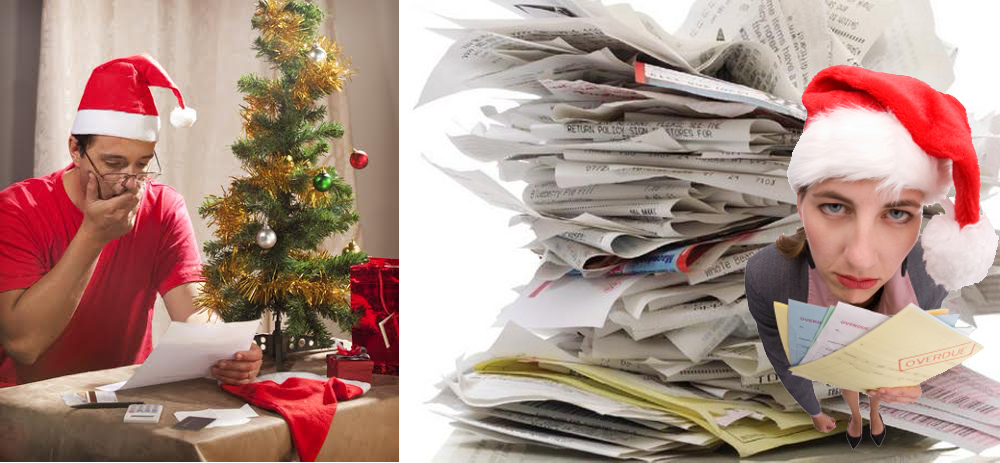

WITH half of South Africans already struggling to settle their debt, uncontrolled spending during the festive season paints a picture of doom.
Since 2008, new unsecured loans have grown dramatically from R30-billion in 2008 to R86-billion last year.
These particular loans are the most worrying debt drivers in Zululand according to Zululand debt counsellor Driekie Hattingh.
‘The biggest credit issues in this area are the snowball effect of lending to survive. Local consumers mostly borrow unsecured loans at institutions to be able to keep paying their debt, buying food and smart clothing, which will no doubt lead to the bubble eventually bursting. If they add more to their debt over the holidays, they will not be able to service their debt and survive with their income.
‘They will face garnishees, judgments and lose their houses, cars and personal assets if they do not seek professional assistance through qualified, reputable debt counsellors.’
Hattingh strongly advises Zululanders to opt to stay home over the holidays, cut back on dining out, postpone home renovations and not add any new debt.
Legal & Tax advisor Chantel Cronjé also warned shoppers that the growing inflation and interest rates will further add to financial strain.
‘It seems South Africans cannot stop spending more than they earn in spite of rates rises,’ said Cronjé.
‘They should rather be setting money aside for the new year’s demands.’
Saving tips
1. Pay a fixed amount of pocket money to your children and introduce a clothing allowance instead of buying clothes for them.
2. Do not take new debt unless you are very sure you can repay it. As a norm, your monthly debt repayments should not exceed 35% of your monthly income.
3. Only use credit cards if you can pay the full amount outstanding every month. If not, lock your card in a safe place or destroy it.
4. If living above your means, scale down. Reduce household expenditure, cut cell phone usage and if you drive a fancy car, consider buying down.
5. When shopping, do not think SALE, but rather SAVE.
6. Never confuse ‘needs’ for ‘wants’.
7. If you are a property owner with an access bond, transfer your full year-end bonus into the bond and only take out money as and when needed.
8. Budget for things in the new year, such as school fees, uniforms, groceries and transport.