Putting a stop to strikes
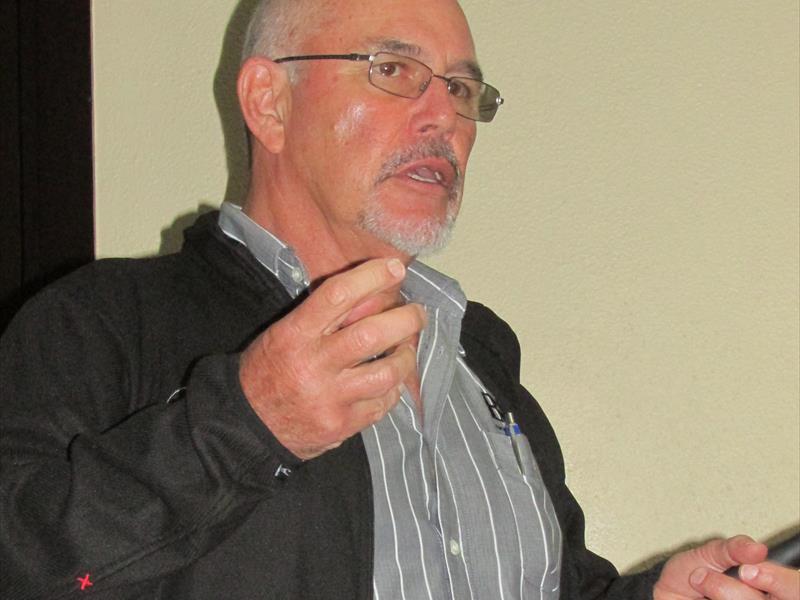
HR and training consultancy, Bruniquel and Associates’ Managing Director, Bruno Bruniquel, talks on limiting protest action.

STRIKES in South Africa are currently believed to be the most violent in the world with the Marikana massacre having led to 38 deaths and the recent National Union of Metalworkers South Africa (Numsa) protest producing 246 reported cases of assault, violence and vandalism.
But according to human resources (HR) and training consultancy, Bruniquel and Associates’ Managing Director, Bruno Bruniquel, companies can help to limit the tsunami of protest action quaking the private sector and foreign investors’ confidence in his presentation to local business leaders in Richards Bay.
‘Strikes are triggered by wages and terms of employment, pay issues, working conditions, supervision and dismissals,’ said Bruniquel.
‘But the causes for strikes are often lack of employee engagement due to failure in leadership; lack of financial understanding when employees are in debt and lack of workplace discipline.’
Debt threat
‘There is a direct link between employees’ debt and the likability of protest action,’ said Bruniquel.
‘Too many workers buy items they cannot afford to pay off so they land up getting garnishing orders, administration orders and bills for lawyers’ fees, causing an even bigger mountain of debt and anxiety.
‘In fact, it turned out a lot of Marikana protestors were in serious debt.’
Bruniquel said companies should do their best to help educate staff members on managing their finances responsibly.
‘Lack of workplace discipline is another recipe for a strike,’ he said.
‘The ‘no tolerance’ rule should be applied where no minor offences are overlooked; all incidents are dealt with immediately and all rules apply to everyone.’
Root issues
‘One of the biggest problems we face is the culture of entitlement, where people want to exercise their rights without any obligations – where people simply do not want to work for what they want or need,’ said Bruniquel.
‘There is no neutral democratic strike ballot, unless agreed upon and the strike violence are preventing non-strikers from performing their work.
‘There is also no formal intervention when the rights of communities and the country are being impaired, for instance, the platinum strike had a detrimental impact on South Africa’s economy.
‘South Africa’s outlook was this year downgraded by the IMF (International Monetary Fund) amid a strengthening global recovery and robust African growth, partly because of ‘tense industrial relations’.
‘We are facing a revolution,’ he said.