

YOUR day didn’t start well.
The dog upended the rubbish bin again. But you get the kids ready, drop them at school and only arrive five minutes late for work.
At around 3pm, you wonder what you will be making for dinner tonight.
At around 5pm you are heading home, kids picked up from after care, shopping parcels in the boot.
Smash, crunch, scream.
You didn’t expect to end up in a hospital bed today, fighting for your life as doctors try and mend the broken bones and damaged organs.
In fact, until today, you rarely thought of the men and women who work tirelessly around the clock to prevent or attend to disasters, or in the event of a major incident, save lives.
But they are there, day after day, a never-ending stream of mercy holding a hand over their community.
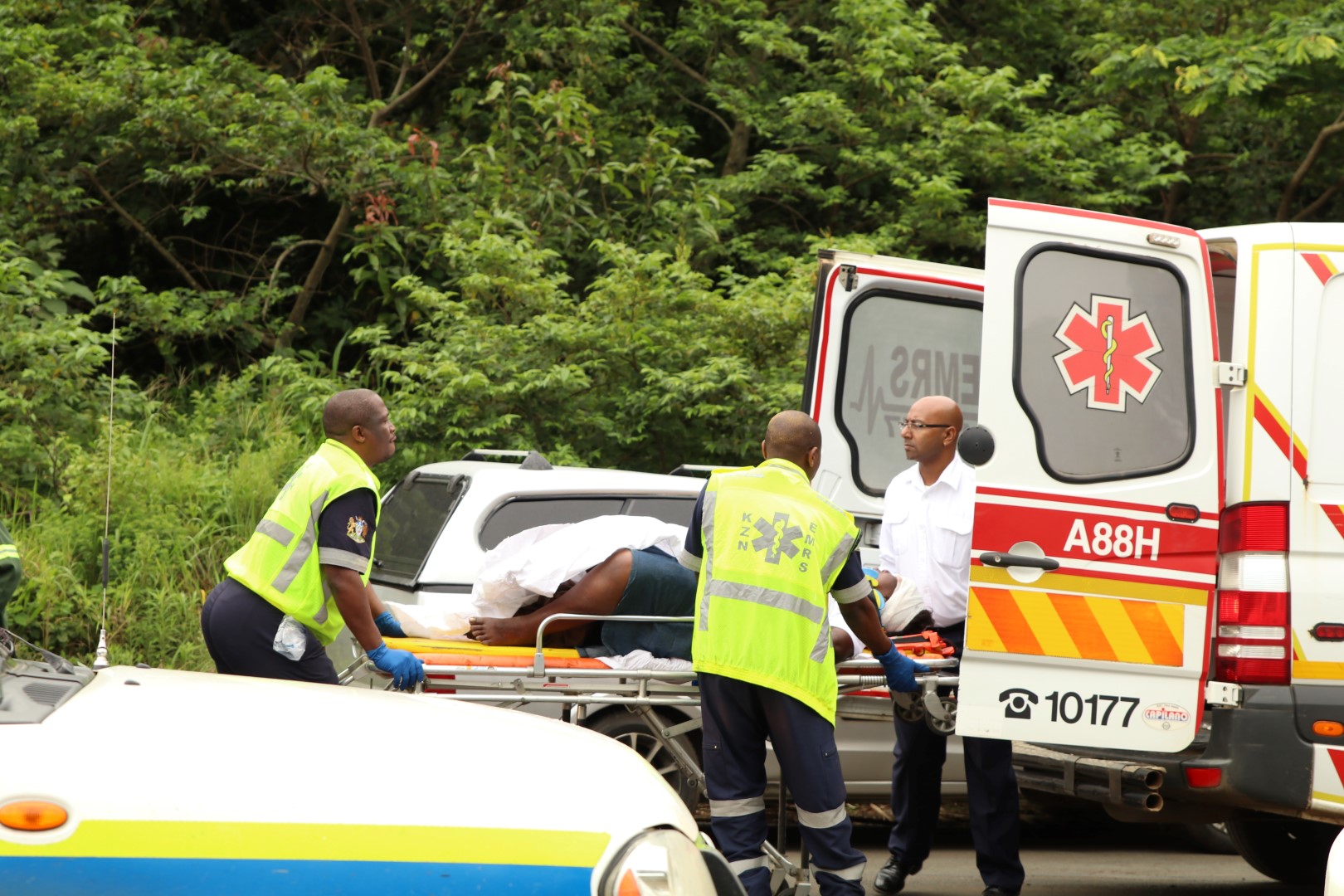
They are paramedics, policemen, traffic cops, firefighters.
And every morning they wake up and don their uniform is another day they mentally steel themselves to face the horrors of life on Earth.
Car accidents, suicides, fires and the more person-orientated crimes, shootings, domestic violence and stabbings all form part of their daily scenery.
And with the Festive Season upon us, the workload these heroes must shoulder increases tenfold as drunkenness adds to the toll.
But while we see them as saviours or even irritants, many forget they are only human – they must also worry about children being picked up from school, an ill spouse or family member, a mortgage that must be paid, a car instalment.
More often than not, their family life is put under considerable or sometimes irreparable strain due to the amount of hours spent working compared to spending quality time at home.
Earlier this year, the Centre for Disease Control in the USA ranked protective services workers, including EMS, sixth on a list of the likelihood of suicide related to occupational influences.
In my time working as a journalist it is frightfully easy to see why – they exist in the space between hope and life, and blood and death.
As such they face the very real danger of desensitisation – when something that would horrify you or me no longer fazes them.
It can even lead to domestic matters not even featuring on the list of priorities.
Coupled with a lack of organisational support many of these protectors face, whether it be a lack of counselling support or low financial packages or even a lack of emotional support from colleagues, stress factors are sure to skyrocket.
So while you pack up your bags and head off on holiday, spare a thought for the men and women in uniform this Christmas.
Even a smile and a friendly wave could give them the little boost they need to make it through another day of working in the face of disaster.