
Wild dog pack wiped out by deadly virus
Deadly virus linked to deaths of 12 wild dogs in Hluhluwe-iMfolozi Park
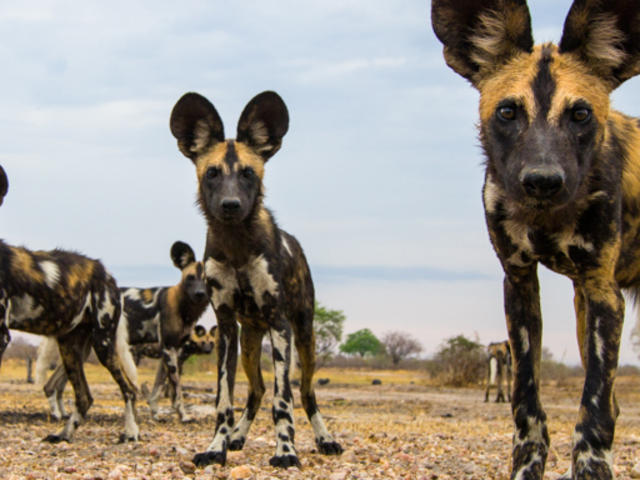

A PACK of African Wild Dogs in the northern parts of the Hluhluwe-iMfolozi Park (commonly referred to as the Crossroads pack) has died, the cause believed to be the canine distemper virus.
Ezemvelo KZN Wildlife and Endangered Wildlife Trust (EWT) were conducting routine monitoring of the pack through the use of a VHF tracking collar fitted to the pack’s beta female when they made the discovery.
The collar indicated that the pack had been stationary for 36 hours.
The observation was made three weeks ago and given the highly active nature of wild dogs which tend to hunt twice a day, the alarm was raised.
Investigation
The officials discovered a number of dead wild dogs at the location, while others were lethargic and showed signs of illness, including neurological problems and laboured breathing.
These animals were monitored and food and care offered over a few days, but all ultimately succumbed to their illness.
Ezemvelo veterinarians conducted the post-mortem.
Early indications are that the entire pack died from canine distemper disease, however confirmation is still required from the samples that have been sent off for analysis.
Ezemvelo and @EWTWildDogs sad to announce Crossroads pack has died from suspected canine distemper disease. 12 dogs pic.twitter.com/0jNbNgun2z
— EZEMVELO KZNWildlife (@EZEMVELOKZNWild) August 30, 2016
Endangered species
African Wild Dogs are the most endangered carnivores in South Africa. Hluhluwe-iMfolozi Park holds the second largest population in the country after the Kruger National Park.
The death of this pack of 12 wild dogs has reduced the number of packs in Hluhluwe-iMfolozi Park to six and the total number to 57.
Hluhluwe-iMfolozi Park has over the years acted as a feeder population to numerous other national parks and private game reserves around South Africa and the loss of this pack is a major blow for the national metapopulation that has now been reduced by 5%.
Canine distemper
This case follows previous incidents of canine distemper virus being confirmed in wild dogs from Khamab Kalahari Reserve in 2013, and more recently in Kruger National Park and Tswalu Kalahari Reserve in 2016.
The virus has been known to infect numerous animal species worldwide and is not confined to carnivores.
Ezemvelo and EWT teams have developed a plan of action to prevent similar losses in future.
This includes, as a priority, vaccinating of all individuals of two key remaining packs in the park.
These individuals will be vaccinated again in a year’s time to determine the longevity of the vaccine.
At the same time, all blood samples taken in the park over the last five to 10 years will be analyzed to determine what level of natural immunities to disease (including canine distemper virus) occur within the wild dog population in the park.
This action plan follows a similar approach to that of the Kruger National Park to align results and knowledge gained into a national understanding for the future conservation and protection of wild dogs against infectious diseases.
HAVE YOUR SAY
Like our Facebook page and follow us on Twitter.
For news straight to your phone invite us:
WhatsApp – 072 069 4169
Instagram – zululand_observer