
Children fall victim to snakebites
‘The majority of snake bites are from the Mozambique spitting cobra - the mfezi'
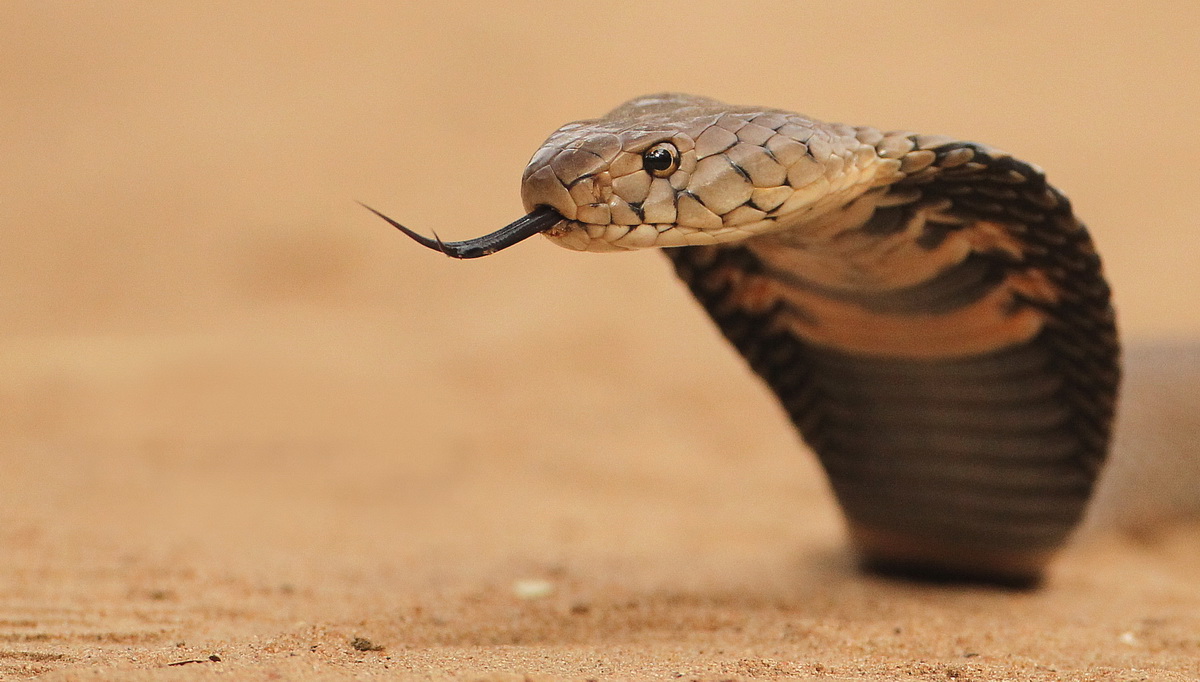

Almost 200 patients, most of whom were children, have been treated over a four-month period for snake bites in the deep rural areas of KZN.
A three-year-old girl who was bitten at least three times on her face, and a three-month-old baby have been among the patients Mark Wagener, who is based at the Inkosi Albert Luthuli Central Hospital, has treated.
‘The majority of snake bites are from the Mozambique spitting cobra – the mfezi,’ he said.
Wagener, who recently completed a study of the cases, took up the research after noticing many children were being admitted for snake bites during his days as an intern at Ngwelezana Hospital.
The results showed 93% of snakes that had struck his patients had been identified as Mozambique spitting cobras.
‘Individual descriptions can be unrealistic, but the bites were very typical.’
Unlike mambas, Cape cobras and forest cobras, Mozambique spitting cobras are cytotoxic. When they bite and inject venom, they damage body cells, first causing swelling and later tissue destruction.
More than half the patients were under 10-years-old and 15% were between 10 and 15.
Untreated bites could cause severe stiffness in the area of the bite, especially among children. This could cause limbs to not function and prevent victims from performing jobs.
Most incidents occurred in the uMkhanyakude District and Zululand region.
Wagener speculated that children were vulnerable in deep rural homes because they probably slept on the floor and moved a lot as they slept.
Zululand
In snake infested Zululand, it is particularly relevant to have some knowledge of the different species since far too many of our non-venomous slithery friends are simply taken out by humans with an ‘any snake is a bad snake’ attitude.
It is also important, however, to be able to identify the snake if you are perhaps bitten by a venomous one. This is crucial should you land in hospital and medical personnel need to determine in double quick time what type of snake bite must be treated.
Only eight South African species are highly venomous – and they abound in our region.
It is a good policy therefore to apply common sense when moving about in our lush sub-tropical vegetation.
When hiking or walking in a wilderness area, stick to the path and avoid grassy, bushy areas, where snakes may be hiding.
Also wear boots, long pants and a long sleeved shirt and be careful when picking up objects where snakes are likely to lurk.
The classic example is logs being sought as firewood or when cleaning out your yard.
Don’t try to catch or prod snakes with a stick – most snakes can strike two thirds of their length.
HAVE YOUR SAY
Like our Facebook page and follow us on Twitter.
For news straight to your phone invite us:
WhatsApp – 072 069 4169
Instagram – zululand_observer