
Taxi ranks open door to effective marketing
Brand expert explains why taxi ranks rank high for product promotion
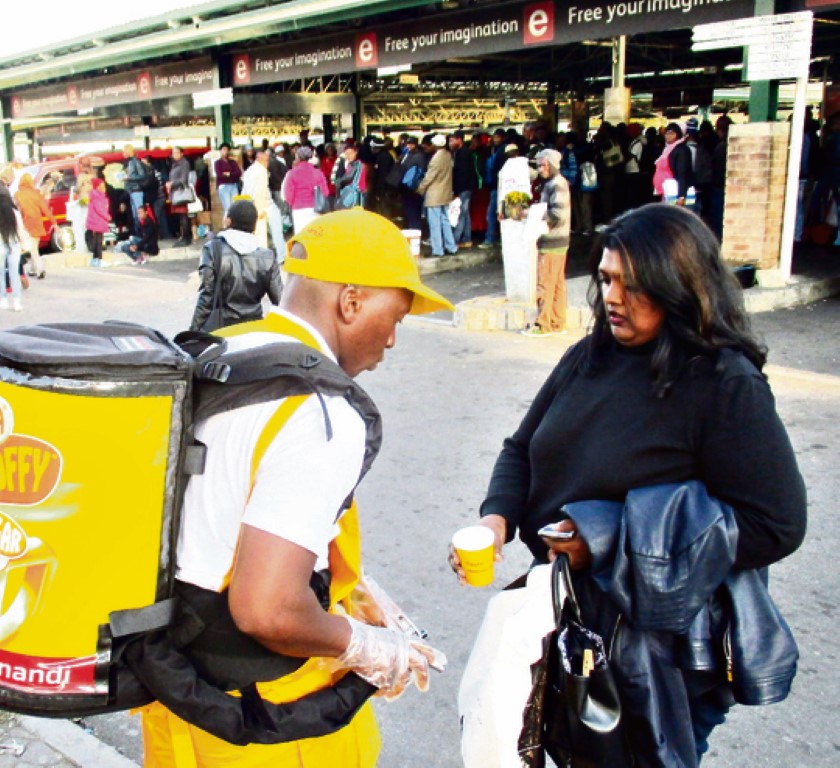

WITH an estimated 15 million bored South Africans waiting for minibuses every day, a taxi rank is the perfect place to promote a product.
This is according to the Zinto Marketing Company’s Marketing Manager for Brand Activation, Miguel Correia.
Correia said taxi transportation is the most widespread among local commuters, making up 65% of the public transport system, followed by bus services (20%) and rail (15%).
‘Because people are investing more time travelling and waiting at taxi ranks, bus stops and train stations, it opens up new communication channels, marketing opportunities and transaction windows for brands.
‘It is a captive audience. These consumers in transition are constantly looking for ways to reduce waiting times and eliminate boredom.
‘Most consumers are excited by experiences and entertainment, so these transfer points present an ideal opportunity for experiential marketing to take the stage and to capture consumers’ direct attention for a longer duration of time compared to traditional forms of advertising.
‘Since consumers are more open to being approached in these situations, they will embrace new experiences that are engaging whilst waiting for their transport to arrive.’
He suggests entrepreneurs provide product samples, leisure activities or resting places with their products or services that can be consumed or used while they wait for a taxi.
‘We see an example of this interactive experience in practice in Bree Street in Johannesburg where a well known coffee brand has placed brand ambassadors at a bustling node.
‘While waiting in line for their transport to arrive on a cold winter morning, commuters are offered a hot cup of java, handed product samples for trial and consumption as well as promotional leaflets which can be read in transit.
‘As a result, consumers are given the chance to truly immerse themselves in the brand.’
Sensing brand loyalty
Correia said the influence of senses such as sight, sound, scent, taste and touch on the customer experience is collectively activated in a single interaction and have great impact on a buyer’s perception, judgement and behaviour towards a product or service.
‘This helps consumers to make informed purchasing decisions and is a powerful tool in winning brand loyalty.
‘Stimuli received from the brand activation environment trigger consumers’ senses and leave a lasting and memorable impression.
‘These brand encounters also create useful spaces to position a brand positively across the major touch points where consumers can get involved, exchange relevant information and broaden their understanding of the product or service offerings and its benefits.’