Zululand farmers learn to go Halaal to secure huge trade deals
Farmers will have to put organic measures in place on the food chain, all the way ‘from the farm to the fork’.

LOCAL farmers have been offered a bite of the $2.3-trillion global halaal market.
But they will need to make some serious changes to their agro practices to get in on a deal.
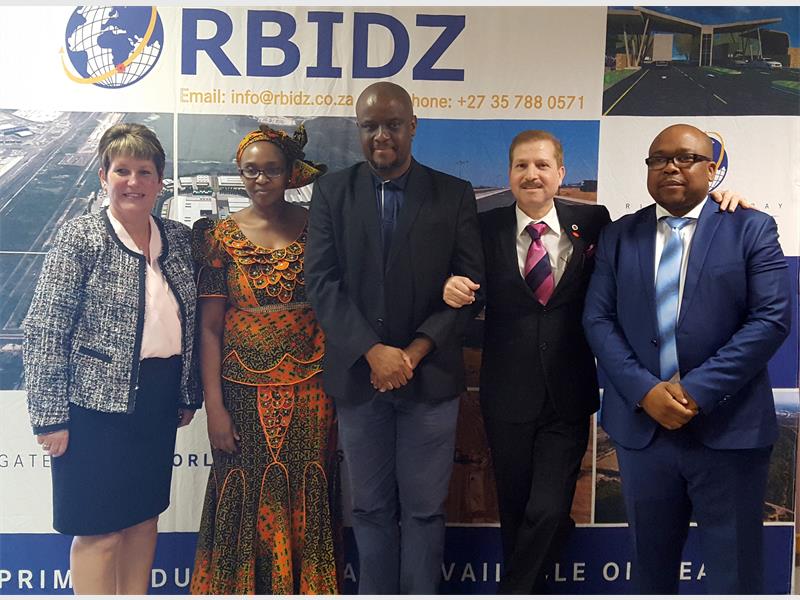
Representatives of Dubai food trade and distribution company, DBL World General Trading LLC, on Wednesday addressed a full house of Zululanders at the Civic Centre Auditorium, explaining the firm set of rules for slaughter houses and growers to meet their stringent health standards.
Facilitated and hosted by the Richards Bay Industrial Development Zone (RBIDZ), the seminar covered everything from an overview of the Middle East market and export opportunities to understanding the ‘halaal way of life’.
‘One of the biggest misconceptions of halal is that people associate it with religion, but really it is all about hygiene,’ explained DBL CEO Ismail Khan.
‘Haram, being the opposite, is food that is unhygienic or contaminated, which mainly includes pork and alcohol.’
Khan said farmers will have to put organic measures in place on the food chain, all the way ‘from the farm to the fork’.
‘No growth hormones or carnivore feed is allowed, while animal welfare is equally crucial – poultry farmers may not stun their chickens as many survive even the strongest currencies and are then slaughtered alive.
‘Equipment, packaging and storage facilities have to be highly hygienic to avoid cross contamination and ingredients such as lard, gelatin, enzymes, emulsifiers and intoxicants are not permitted.’
To make a success story out of this venture, Khan advised that local industries must focus on aligning production facilities to meet halal standards; live up to expectations from the halaal Standardisation Committee and follow halal audit processes.
‘This is not about obligation, but it is vital for a healthy life.
‘Owing to the consumption of adulterated food, the prevalence of cancer has increased dramatically; our young generations are facing hormonal imbalances in their physiological growth and the world is facing many abnormalities owing to food containing carcinogens, pesticides, hormones and antibiotics.’
Great opportunity
RBIDZ CEO Pumi Motsoahae told farmers the Zone will continue to facilitate partnerships between local produce suppliers and the Middle East markets.
‘The most important thing for you to do from today onwards is to ensure you can comply with the correct quantity and quality standards.
‘There is huge demand in this market, so it is vital that we do not fail at this opportunity.’
DBL World General Trading Sales Consultant Yvonne Spiller said Dubai does not grow any of its own food, making imports essential.
‘We want 30 containers of your red meat and poultry as of yesterday,’ said Spiller.
DID YOU KNOW?
Like our Facebook page and follow us on Twitter.
For news straight to your phone invite us:
WhatsApp – 072 069 4169
Instagram – zo_teens