
Aviation authorities to swat high flying bugs
Flight medicine specialists discuss ways to curb spread of diseases on airplanes.
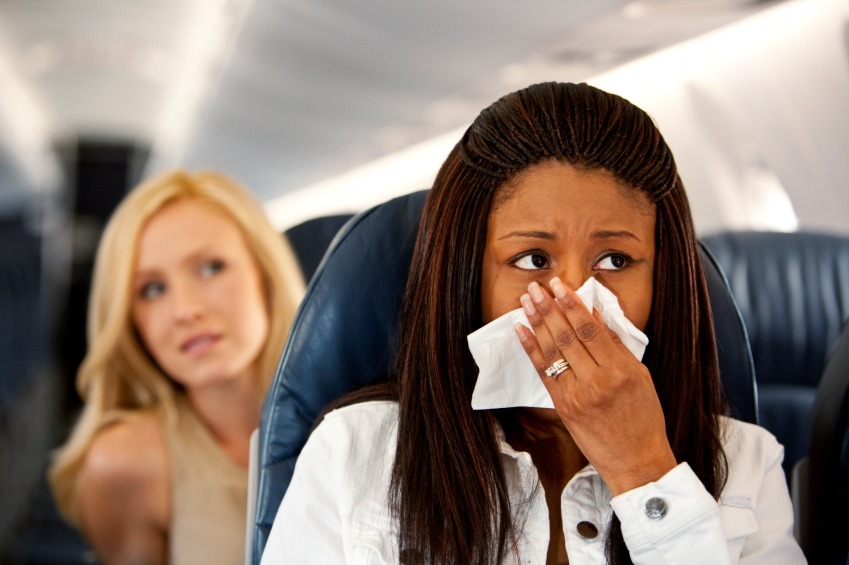

SINCE bugs do not know borders, leaders in health and aviation are currently discussing stricter measures to mitigate the spread of communicable diseases on flights.
The International Civil Aviation Organisation (ICAO) and World Health Organisation (WHO) have partnered with the National Department of Transport (DoT) and South African Civil Aviation Authority (SACAA) to address the risks of passengers flying with contagious diseases, including tuberculosis, measles and some pneumonias.
DoT Sindisiwe Chikunga told representatives from airlines, airport management entities and air traffic control agencies that the African aviation industry lacks new technologies to tackle health challenges transmitted across the continent and around the world.
‘I encourage you to seek ways of ensuring that the mitigation of communicable diseases is put high on the agendas of your respective programmes,’ said Chikunga.
‘Let us ensure that our Executive Principals are aware that, despite its numerous benefits, air travel can also be the source of health-related crises capable of wiping out large numbers of a country’s citizenry.
‘By virtue of being part of this gathering, it means that your countries depend on your expertise to channel efforts aimed at preventing risks associated with transmissible diseases and air travel.’
Topics earmarked for discussion included airport emergency plans, regulations related to points of entry and lessons learned from the recent outbreak of Ebola.
Measures on flight
Flight attendants on airlines who are members of the International Air Transport Association (IATA), such as South African Airways, SA Airlink and British Airways, have to follow compulsory guidelines as stipulated by the association.
These include personal protection, management of an ill traveller, targeted clean-up measures, and post-flight measures.
The cabin crew has to, among other rules, wash their hands for at least 20 seconds after assisting ill travelers; ask sick passengers to cover their mouths with provided tissues or masks when coughing; separate an ill individual from others by at least six feet (1.8 metres); put soiled items such as tissues, face masks, pillows and blankets in a sealed bag marked biohazard and do a ‘targeted clean-up’ on the seat section.