RBCT remain bullish despite strike
Thousands of National Union of Mineworkers (NUM) members embarked on a wage strike at mines in Mpumalanga – the province which provides the Richards Bay Coal Terminal (RBCT) with 96% of its product.
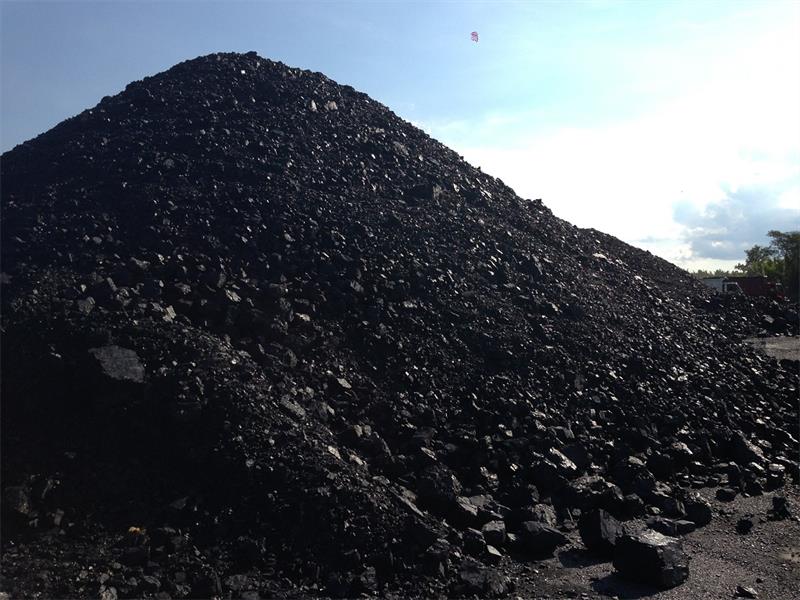

SINCE thousands of workers in the coal industry downed tools on Sunday, a wave of pressure is reaching coal producers countrywide.
Thirty thousands National Union of Mineworkers (NUM) members embarked on a wage strike at mines in Mpumalanga – the province which provides the Richards Bay Coal Terminal (RBCT) with 96% of its product.
But RBCT says it is confident the company will not feel the aftershock of the stoppages.
‘The strike does not affect RBCT operations as contingency stockpiling provides for ongoing operations,’ said RBCT Corporate Affairs Manager Gcina Nhleko.
‘Even though the strike itself is not expected to tie up supply in the export market, sentiment had turned marginally more bullish than it had been previously owing to the news.’
The terminal has a total stockpile capacity of 7.7-million tons (Mt).
Picketing problems
Prospects for resolution in Mpumalanga seem paper thin as the National Union of Metalworkers SA (NUMSA) called on its 365 000 members and communities to rally behind the strike.
The Chamber of Mines said the impact of the growing unrest in the coal sector will severely affect operations in the industry, while Eskom could in the long run be depleted of stockpiles, leading to yet another power crisis.
Eskom only has enough stock to last a month.
Strike action could not come at a worst time – both the mining and the steel sector were looking to shed thousands of jobs with commodity prices dwindling over the past months.
NUM demands a R1 000 increase for lower level category workers, while the coal producers such as Anglo Coal, Glencore and Exxaro Coal offered a wage increase of between R300 and R600.
South Africa’s coal mining industry directly employees almost 90 000 people and paid R19-billion in wages in 2014.