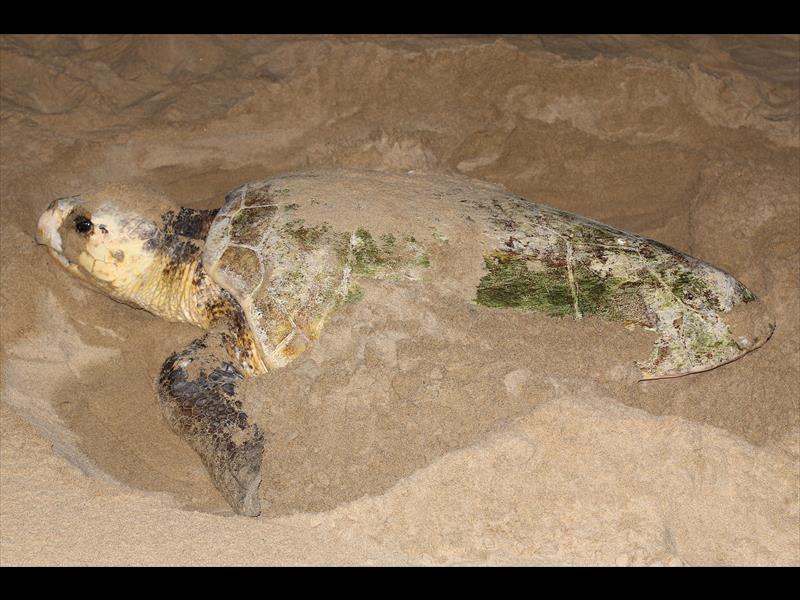
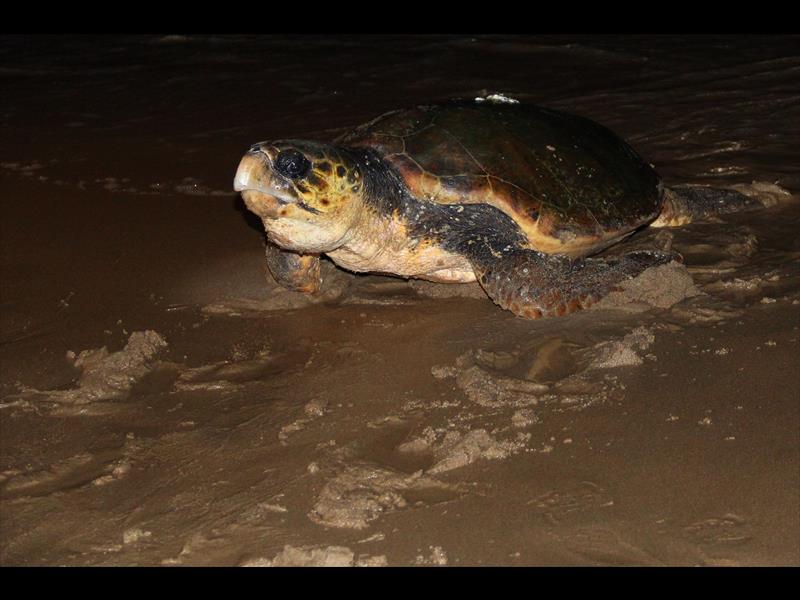

EVERY year between November and March there is a silent invasion on the coast north of Cape Vidal.
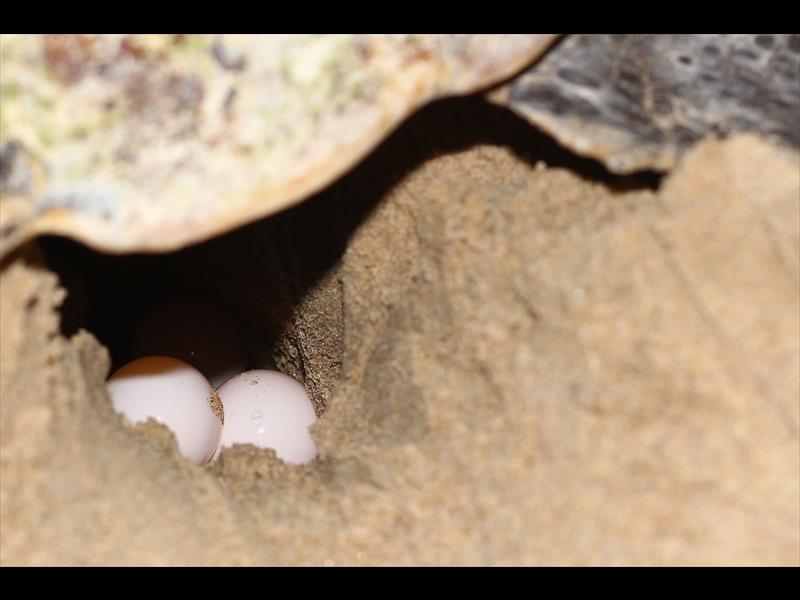
More than 700 visitors crawl onto the beaches, clumsily dig a hole in the sand, lay eggs and then, exhausted, trudge back into the sea as quietly as they came.
Each individual does this up to five times throughout the summer.
This is one of the special and awe-inspiring miracles of the iSimangaliso world heritage site – the nesting of endangered Leatherback and Loggerhead turtles on the 220km golden shoreline.
Of the seven species of marine turtles worldwide, iSimangaliso’s protected coastline has five, and its pristine beaches comprise one of the last significant laying sites in Africa.
Turtle monitoring has been undertaken since the 1960s, with turtles being measured and tagged.
The turtles of iSimangaliso have received significant conservation attention, producing a noteworthy increase in the Loggerhead population.
‘With less than 100 laying females coming ashore each year, iSimangaliso’s Leatherback turtles, the most southern population in the world, are rarer than black rhino and critically endangered,’ says iSimangaliso CEO Andrew Zaloumis.
‘This means they could go extinct in our lifetime. Having survived eons and ice ages along with rhinos, and at a time when over 1 000 biological species are going extinct globally every year, their future survival lies with all of us.’
iSimangaliso statistics
Loggerheads
Population – 700 females per season
Population trend – increasing
Size (average shell length) – 86cm
Diet – crabs, snails and starfish
Number of eggs per season – 390 per female.
Leatherbacks
Population – 70 females per season
Population trend – stable
Size (average shell length) – 160cm
Diet – jellyfish
Number of eggs per nesting season – 700 per female.