
Aerial threat to poachers takes effect
Rhino poachers forced to react as ZAP-Wing gives air support to hard working State and private conservation law enforcers.
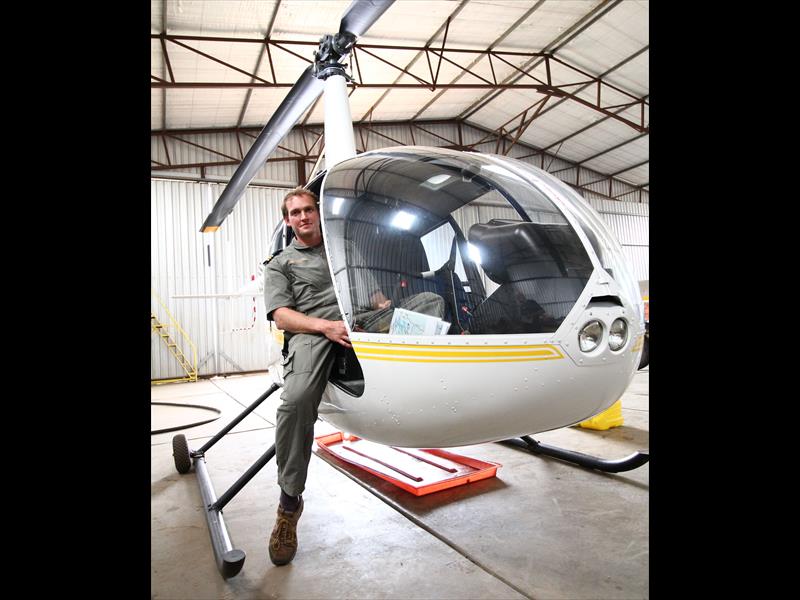

RHINO poachers are being forced to re-think their modus operandi.
This is due, in part, to the aerial assistance to ground-based anti-poaching teams at the sharp end of conservation law enforcement.
Aerial surveillance and reaction plays a critical part in disrupting rhino poaching incursions.
Latest statistics show that while the battle against poaching is far from being won, the onslaught in our province has plateaued and that, at least in KZN, reported rhino deaths are significantly below those at the same time last year.
Thanks to a tremendous collaborative effort between a number of State and private sector stakeholders, efforts of the ‘airborne division’ of the anti-poaching alliance are paying dividends.
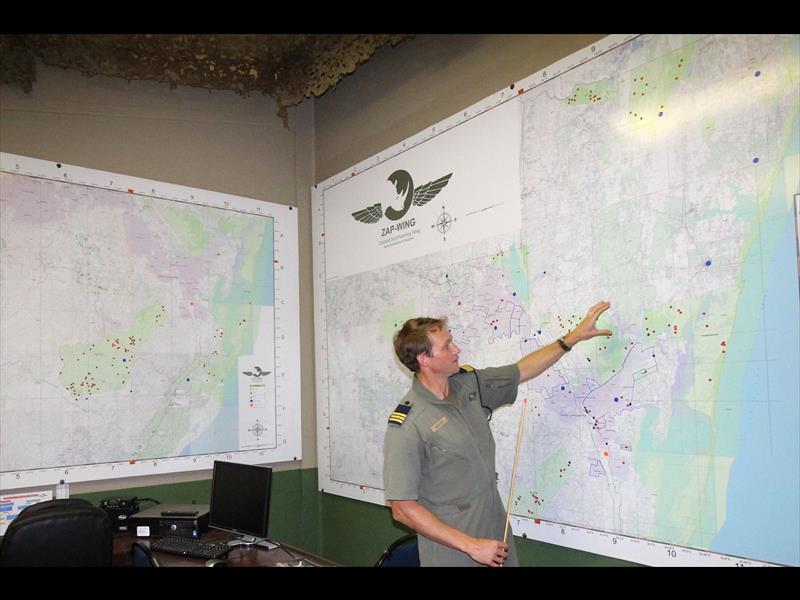
Operating from the Hluhluwe airfield, the Project Rhino- and Ezemvelo-funded ‘ZAP-Wing’ pilots and aircraft have formed a formidable reaction team in the State game reserve as well as surrounding private reserves.
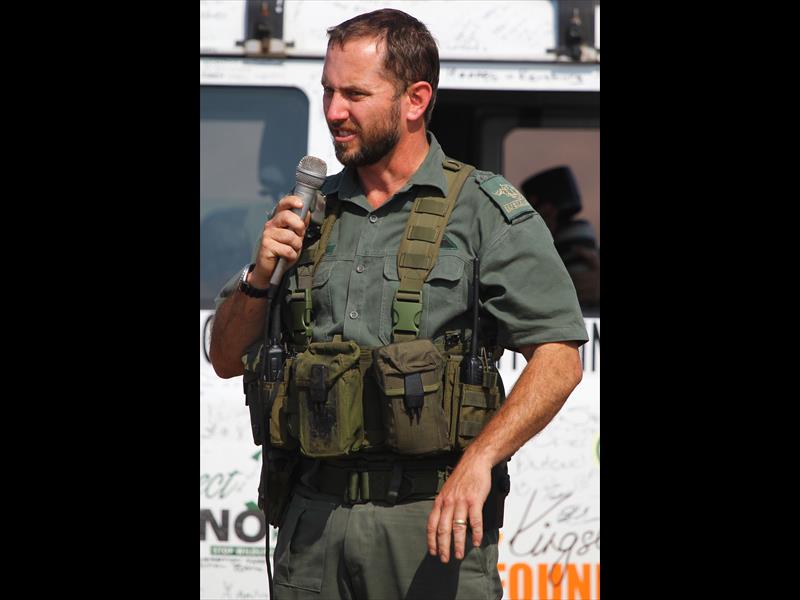
‘There is a misconception that we are here to catch and apprehend poachers; in fact, our main function is as support to the real fighters down on the ground,’ says ZAP-Wing commander Lawrence Munro.
‘We provide the element of aerial law enforcement that multiplies the effect of the ground-based operations.’
Strategic benefits
Daily fixed wing (2) and helicopter (2) surveillance support brings a number of strategic benefits:
• Superior surveillance as ground troops are hindered by terrain challenges
• Increased mobility of ground forces owing to trooping actions undertaken by the helicopters
• Aerial intelligence (recce) appraisals of identified targets
• Re-positioning aerial capabilities closer to rhino threat areas
• Carcass detection in remote areas – a number of carcasses have been located from the air, thereby enabling ground investigation teams to proceed to the carcass quickly
• Locating and following suspicious vehicles.
‘As we have learnt and evolved, there is no doubt that the support that ZAP-Wing gives to land-based State and private entities has, collectively with the never ending efforts on the ground, become a serious deterrent to poachers,’ says Munro.
‘Our pilots are ready to respond at a moment’s notice and the choppers are fuelled and ready; we can be airborne within 10 minutes.
‘Pilots are equipped for emergency off-base deployments and carry supplies that enable them to be self-sufficient for 24 hours should they need to wait in the bush.’
Meetings with various specialised SAPS and State entities, conservation bodies as well as private game reserves ensure well-planned, effective operations.
Limited to daytime flying, ZAP-Wing would be greatly enhanced if ‘night vision goggles’ could be sourced.
They also look forward to digital towers that will improve radio communications so as to further the vision of a regionalised approach to rhino security operations throughout all protected areas.
PHOTOS: Larry Bentley