October is breast cancer awareness month.
A mammogram can show changes in the breast up to two years before a patient or physician can feel them.
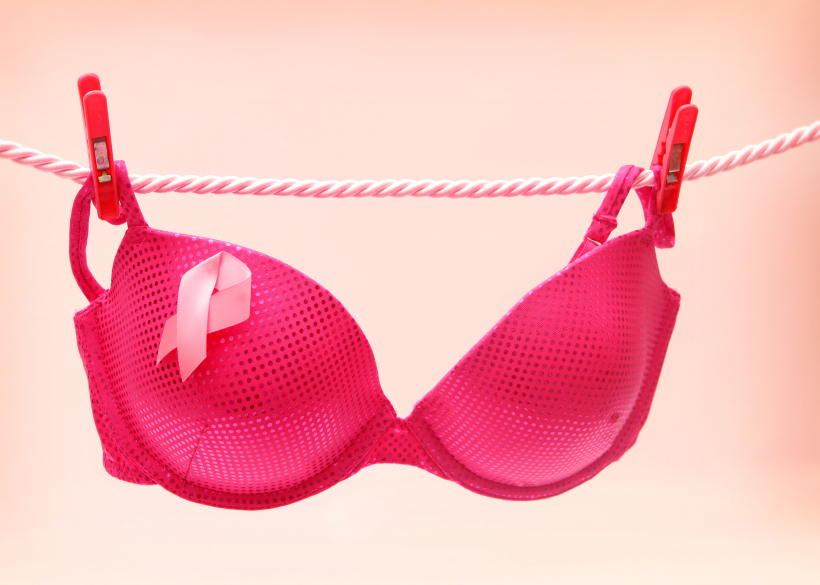

October marks breast cancer awareness month, an annual campaign to raise awareness and reduce the stigma of breast cancer.
But it’s more than just sporting a pink ribbon, it’s about taking the responsibility as a woman to adopt a healthy lifestyle and get to know more about your body by going for regular screenings.
The lifetime risk of breast cancer in South African women is one in 35 and breast cancer is one of the most common forms of cancer in the world.
Early detection is key to reducing the risk of breast cancer, and a mammogram is used to assist with early detection in women who experience no symptoms.
Even though most breast lumps are not cancerous, it is important to go to your doctor for regular checkups.
Here are some tell signs that you should tell you doctor about:
• Swelling of all or part of a breast (even if no distinct lump is felt)
• Skin irritation or dimpling
• Breast or nipple pain
• Nipple retraction (turning inward)
• Redness, scaliness, or thickening of the nipple or breast skin
• Nipple discharge (other than breast milk)
High risk category
According to the Radiological Society of South Africa, every woman is potentially at risk of getting breast cancer. However, there are certain factors that would put women in a higher risk category.
• Age – The risk of developing breast cancer increases as you get older. About one out of eight invasive breast cancers are found in women younger than 45, while about two of three invasive breast cancers are found in women age 55 or older.
• Family history – Breast cancer risk is higher among women whose close blood relatives have this disease. Having one first-degree relative (mother, sister, or daughter) with breast cancer approximately doubles a woman’s risk. Having two first-degree relatives increases her risk about threefold.
• Personal history – A woman with cancer in one breast has a three to four times increased risk of developing a new cancer in the other breast or in another part of the same breast. This is different from a recurrence (return) of the first cancer.
• Dense breast tissue -Women with denser breast tissue (as seen on a mammogram) have more glandular tissue and less fatty tissue, and have a higher risk of breast cancer. Unfortunately, dense breast tissue can also make it harder for doctors to spot problems on mammograms.
• Overweight or obese women – Research has shown that being overweight or obese increases the risk of breast and other cancers. Now, a larger study suggests that overweight and obese women diagnosed with early-stage, hormone-receptor-positive breast cancer have a higher risk of the cancer coming back (recurrence) and are less likely to survive the disease.
Lifestyle factors – excessive alcohol use, little to no physical activity, smoking and diets high in saturated fats increase the risk of breast cancer.