
Celebrating World Elephant Day
Ivory poaching is on the rise with two incidents reported in SA this year.
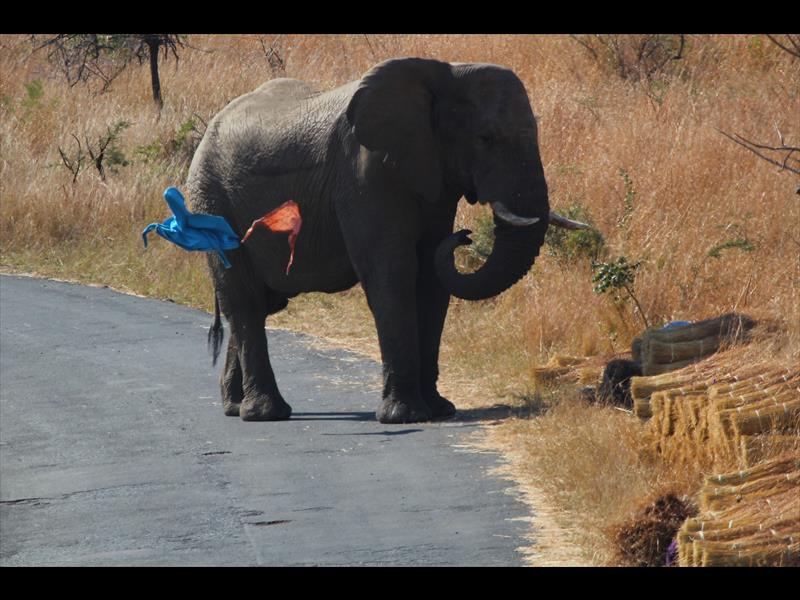
PHOTO: Larry Bentley

WORLD Elephant Day is being celebrated today by wildlife lovers and conservationists all over the world.
This comes at a time when ivory poaching on the rise with two incursions into South Africa reported this year.
Further north, the poaching is reaching crisis point as it sweeps through Africa leaving thousands of elephants in its wake.
At least 20 000 elephants were killed for their ivory last year, although many conservationists believe the death toll to be far higher.
It has been predicted that the scourge of ivory poaching which has decimated East and Central African elephant populations will move south, with South Africa’s elephants the next to be targeted.
This World Elephant Day, the Conservation Action Trust (CAT) will host a mock ivory burn, framed by Cape Town’s iconic Table Mountain.
The Cape Town Burn will pay homage to the ivory burn of 1989 when the Kenyan government ignited 12 tons of seized elephant tusks in an effort to persuade the world to ban the international trade in ivory and to stop the slaughter of elephants.
A ban was implemented shortly thereafter, leading to almost 20 years of respite from poaching of the elephants.
Over this time elephant numbers started to increase, however two CITES sanctioned sales of ivory by Southern African states in 1999 and in particular 2008, sparked a massive surge in Chinese domestic demand which, in turn, sparked an increase in the poaching of elephants.
Demand outstrips supply
Despite the ban on the international trade in ivory, large quantities of poached ivory continue to be laundered through official Chinese government carving factories and authorised dealers.
The insatiable demand for ivory as a status symbol and investment commodity now threatens the very survival of elephants in many countries.
‘Stockpiling ivory undermines the international ban on the ivory trade and sends the wrong message to eastern consumers by reducing the stigma attached to buying ivory.
‘The legal trade within China, fostered by the Chinese government leaking out its hoard of legal ivory at 5 tons per annum, provides the perfect cover for the laundering of ever greater quantities of illegal ivory,’ says Francis Garrard of Conservation Action Trust.
Challenges facing elephants
Elephants face threats from poaching, habitat destruction and space limitation; however it is the illegal trade in ivory, masked by the legal trade that heralds the death knell for elephants.
Garrard says, ‘At present rates of poaching we face the very real spectre of the extinction of the elephants unless the Chinese stop their purchases of ivory.
‘The Chinese government banned the consumption of shark fin soup at official banquets and demand for shark fin halved so something similar could be done with ivory.
‘The practice of ivory gifts to and from government officials is widespread and simply banning this practice, along with the shutting down of official ivory carving factories, would have a major effect.’