
Repo hike to keep inflation in check
Head of Department of the Economic Faculty at the Unizulu, Dr I Kaseeram, believes it is a sensible resolution.
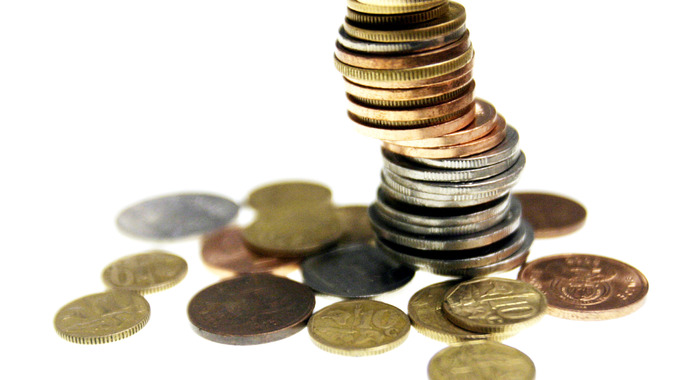

THE SA Reserve Bank’s decision to raise the repo rate from 5% to 5.5% sent shock waves across the nation, but economists say it will alleviate pressure on the plummeting rand.
While trade unions have voiced their irritation with the move that is likely to counteract government’s overall strategy to accelerate growth and create jobs, Head of Department of the Economic Faculty at the University of Zululand, Dr I Kaseeram, believes it is a sensible resolution.
‘I was shocked with the Reserve Bank’s announcement, as were many other economists,’ said Kaseeram.
‘However, given the threat of a plunging currency, which in turn leads to higher inflation and further rounds of depreciations, it’s a wise decision to send a signal to the market that the authorities are serious about keeping inflation in check.
‘Moreover, a rate hike is expected to stem the outflow of foreign funds, thus preventing drastic depreciations.’
But it is not all good news as higher interest rates often lead to an increase in unemployment.
‘We have been in a slump since 2008 despite the low interest rates the last five years, and the hike signals we need to tighten our belts.
‘Consumers must curb their spending, which will have a negative ripple effect on demand, hence retail and service sectors will be adversely affected.
‘Persistence in the deterioration of the exchange rates will result in an upward trend in inflation and hence interest rates, thus exacerbating the financial strains on both consumers and businesses.
‘We will see businesses laying off workers. It is easier (costless) to lay off a worker than to sell a plant or machinery at heavily discounted rates.’
Businesses are advised to pay off debt if they have surplus windfall gains while the interest rates are still relatively low.
Any expansions of businesses in the near future are also seen as running a high risk with uncertainties surrounding the direction in which the exchange rate is heading in.