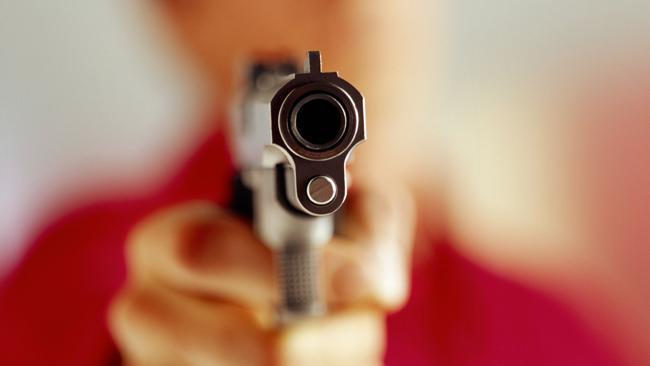

THE decision to own a gun is one of the most serious any individual can take.
And while self-defence and the protection of one’s family and property is the major motive behind applying for and legally acquiring a weapon, this is far from the end of the matter.
Rules for the safe-keeping of the weapon when not being carried on one’s person must be adhered to.
One must also have exact knowledge of the circumstances in which one may legitimately fire the gun – and be ready for the consequences of doing so.
Above this, few would be able to anticipate the effect shooting another human being – and possibly taking the life of that person – would have on oneself.
Killing, however justified, goes against the natural instinct of the overwhelming majority of people, and shooting death scenes leave deep emotional scars.
When one buys a gun, it is done rationally, in the cold light of day; when it is used, it is in a time of crisis, fear and panic. Pulling the trigger is the act of a moment with a lifelong consequence.
And while some gun usages may be calculated and deliberate, for the ‘right reasons’, there are also the many accidental and homicidal killings that result.
The gun purchaser does so in a healthy state of mind and mental balance; but life happens and circumstances change.
People go into medical and clinical depression for various reasons. Some are affected by alcohol or drugs. Some simply can’t cope with life’s demands; they crumble under pressure.
The normal balance of the mind is disturbed.
And that strong urge to do something violent in a moment of rage, guilt or despair – an urge that could pass over in minutes or hours – is acted on because there is an instrument of instant death at hand.
Think twice before you choose to own a gun. It might be misused, accidentally discharged or even stolen – and then used against you and others.
You might in fact be safer without one.