
These nunu’s are a ‘no-no!’
South Africa is home to a rich variety of insects and arachnids, and many are found in our homes and gardens. Some can pose a risk, particularly to young children
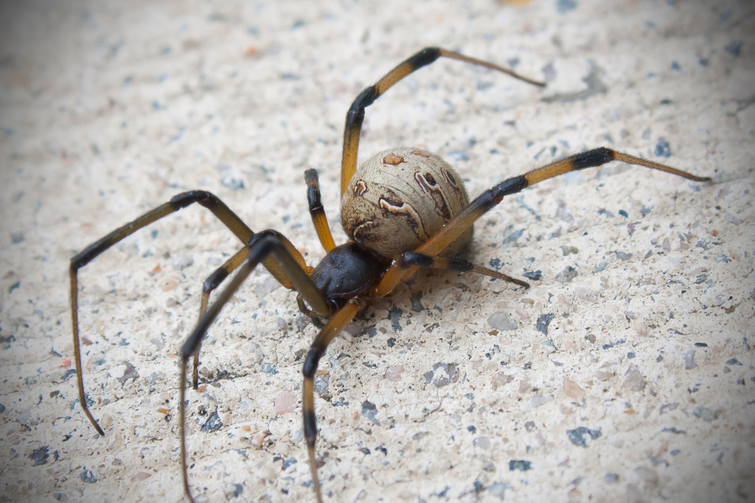

THERE are creepies, and there are crawlies.
Some aren’t too bad should you have an altercation with them, while others will leave you crying in agony – or worse, rushing to the emergency room.
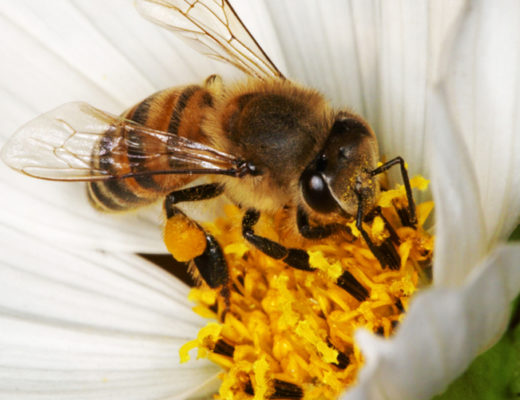
Bees, wasps and hornets
Generally, a sting from a bee, wasp or hornet will only result in a localised reaction, although it may result in life threatening symptoms in people who are highly allergic to bee venom.
Local reactions include:
Burning: lasting between one and two hours then followed by itching.
Swelling: which can continue for 24 hours and only subside after seven days.
Redness: This can last up to three days and is usually not caused by infection.
Only bees leave a stinger behind.
Some say not to squeeze the stinger when you remove the sting; but rather use tweezers or a clean credit card and ensure you remove it completely.
If it is below the skin’s surface, leave it there to fall out naturally.
For pain and itching, apply ice or a cool compress for 20 minutes to bring relief, and some doctors may recommend over-the-counter pain medication such as ibuprofen, or an antihistamine.
Here’s what you need to know about the more common bites and stings.
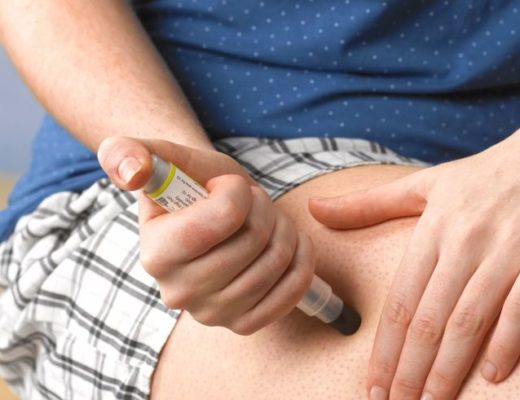
Severe allergic reactions
The biggest risk associated with bee stings is that the small amount of venom they release may trigger an allergic reaction and lead to anaphylaxis, a severe life threatening allergic reaction.
Anaphylaxis occurs when your body develops a severe allergic reaction to something, such as food, medication or stings.
Symptoms include:
Swelling of the tongue, throat, body Suddenly developing a hoarse voice Rash, often itchy hives and/or redness Feeling lightheaded or fainting episodes Tight chest, wheezing or difficulty breathing Abnormally fast heartbeat Clammy skin Confusion Vomiting or stomach pain
What do you do if someone in your family experiences any of the above symptoms after a sting?
1 – Administer auto-injectable epinephrine (adrenaline) if it has previously been prescribed and is on hand. In some people who are high risk or suffered previous life threatening allergic events doctors will likely have given them adrenalin to keep on hand in case of emergency in the form of an EpiPen, as early intervention is imperative
2 – Call an ambulance urgently.
3 – Lie the person down with their feet elevated
In severe allergic reactions, a person will likely be monitored in hospital (at times ICU or high care) until their symptoms have resolved.
After recovery, the person who had the reaction would need to see a GP or a doctor specialising in allergies to formulate a treatment and prevention plan for future exposures to the insect.
If you’re unsure of what to do about a bite or sting, the best option is to call the Poison Information Helpline (0861 555 777) or visit your closest emergency room or GP, especially if the patient is a small child.
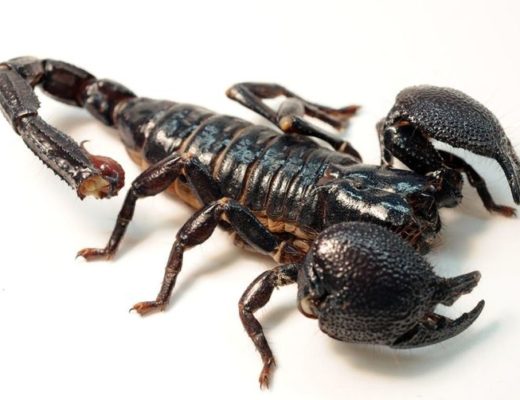
One useful rule of thumb is that scorpions with thick tails and slender pincers are more venomous than those with slender tails and large pincers, as scorpions that use big, strong pincers to catch their prey, seldom have a very venomous sting at the end of their tail! A second important feature is the size of the scorpion.
A scorpion smaller than 4 cm in length (when uncurled) is very unlikely to cause serious envenomation. (This handsome and harmless fellow is an Emperor scorpion)
Home remedies are best avoided unless recommended by your doctor.
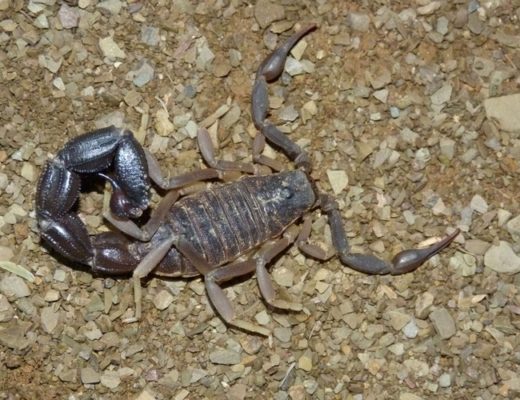
The two most dangerous scorpions are the amber-coloured Parabuthus granulatus and the black-coloured Parabuthus transvaalicus.
Most deaths are attributed to the Parabuthus granulatus (pictured).
Small children are especially at risk from scorpion stings, as they can develop respiratory failure and may die.
It is essential to seek urgent medical attention if a scorpion sting occurs, especially in children.
Symptoms are similar to those associated with a button spider bite although the burning pain is more severe, there is often associated pins-and-needles, sweating, agitation, and generalized muscle pain.
Difficulty breathing and visual disturbance can also occur.
Children most often develop marked restlessness and irritability.
Antivenom to these scorpions is available at hospitals and may be administered, if required, in the emergency unit or high care ward.
If you are bitten by a spider or scorpion it helps to carefully catch the spider or scorpion and bring it along to the hospital so that doctors know exactly how to treat the bite or sting.
HAVE YOUR SAY
Like our Facebook page and follow us on Twitter.
For news straight to your phone invite us:
WhatsApp – 072 069 4169
Instagram – zululand_observer