
Coastal watchdogs blame oil hunt for record-high strandings
Highest number of whale strandings in history of East Coast recordings
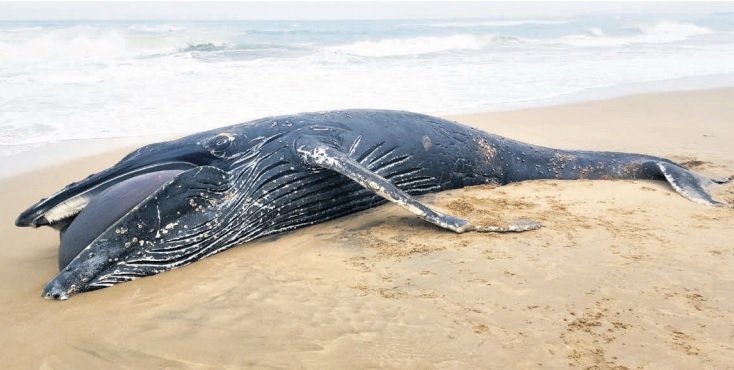

A TOTAL of 74 stranded animals found on the beaches of KZN last year has raised the red flag on the impact of seismic surveys on marine life.
Forty-two birds, ten whales, eight dolphins, nine turtles and five seals washed ashore, according to a recently published KZN stranding report prepared by Ezemvelo KZN Wildlife researcher Dr Jennifer Olbers.
One of the most noteworthy occurrences in 2016 was the mass stranding at Red Sands in iSimangaliso Wetland Park, in which three pilot whales – a male, female and calf – was discovered by fishermen.
Olbers stated while it has never unequivocally been proven that seismic surveys result in stranded animals, ‘it simply cannot be ignored’ that the surveys took place during the whale migration on the east coast last year.
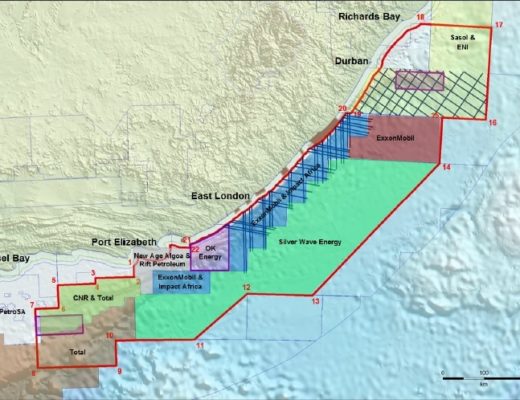
‘Despite requests by government departments and environmental groups to avoid undertaking surveys by petroleum companies during the turtle hatching season (December to end of March), Humpback Whale migration (June to November) and sardine run (June to July), seismic surveys were undertaken off the KZN coastline from Durban to Richards Bay from 31 January to 24 July,’ said Olbers.
Reigniting fury among conservationists is the submission for a reconnaissance permit by Petroleum Geo-Services (PGS) to conduct more 2D and 3D surveys between this December and May next year, 15 to 250kms offshore from Richards Bay to Mossel Bay.
ALSO READ: Search for oil off Richards Bay
Coastwatch appeals
Coastwatch KZN is running a petition for the Department of Environmental Affairs to challenge the latter request.
So far 371 supporters have signed up.
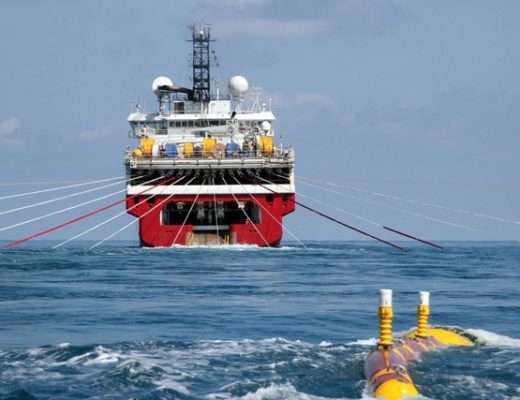
‘These seismic surveys use extremely loud blasts, able to penetrate deep into the sea floor, for detecting oil deposits and take place every 10 seconds, 24 hours a day, for months at a time, over large areas,’ stated Coastwatch.
‘Scientists have proven that seismic blasts can interrupt the communication, reproduction, navigation and eating habits essential to the survival of marine life, including whales, dolphins, turtles, fish and even plankton.
‘These detonations also damage eggs, larvae and force fish and other marine species to temporarily migrate away from the affected area.’
CEO of iSimangaliso Wetland Park Authority, Andrew Zaloumis, also strongly objected to additional surveys off the coastline.
‘In almost a decade of monitoring whale strandings, 2016 realised the highest number in the history of the East Coast of South Africa.
‘While no causal link between the seismic surveys and the increased incidences of whale strandings had been established, it remains difficult to discount it given the absence of any other offshore activities that could have resulted in this, such as naval exercises.
‘The impacts of oil and gas exploration and drilling have been studied more intensively in the last decade and the findings indicate that the impacts from the seismic surveys, in particular, are of high significance.
‘Some whale species were showing strong responses over distances ranging from 50 – 80km, with seismic blasts being found to cause permanent hearing loss, which is thought to be linked to strandings.’
A response from environmental consultants appointed by PGS was not received in time for print.
HAVE YOUR SAY
Like our Facebook page and follow us on Twitter.
For news straight to your phone invite us:
WhatsApp – 072 069 4169
Instagram – zululand_observer