
Wild weather warning for Zululand beachgoers
The NSRI is urging bathers, surfers, shore anglers and skippers to be cautious around the coastline during this weekend's Full Moon Spring Tide, which peaks on Sunday


FROM today (Friday) and through most of next week, bathers, anglers and surfers should expect a ‘higher than normal high tide’ and a ‘lower than normal low tide’, which will cause stronger than normal rip currents and tides surging higher along the shoreline.
Rip currents are the greatest cause of drowning accidents around the South African coastline.
They are caused when the water reaching the shoreline in waves, swells and sea currents needs to find a way to retreat back into the sea and this is achieved in rip currents (a river of water retreating through the incoming swells back out into the sea).
There are two types of rip currents:
* permanent rip currents are found alongside islands, rocky outcrops jutting into the sea, at river mouths, in between reefs and alongside harbour walls and piers. They constantly occur in the same place allowing the water reaching the shoreline to retreat back into the sea in the permanent rip current.
* temporary rip currents, found along beach fronts, are forever changing their position and are unpredictable and can form suddenly along a beach front without warning at different places throughout the day.
During Spring Tide, these permanent rip currents and temporary rip currents are stronger than normal and although rip currents at all times pose a danger to bathers, they pose the greatest danger during the Spring Tide.
ALSO READ: Practical tips for the fire season
Bathers
Bathers are at risk of being swept out to sea by rip currents while swimming or wading in water along the beach front.
Even bathers wading in shallow water who find themselves trapped in a rip current that forms suddenly are at risk of being swept out to sea by rip currents.
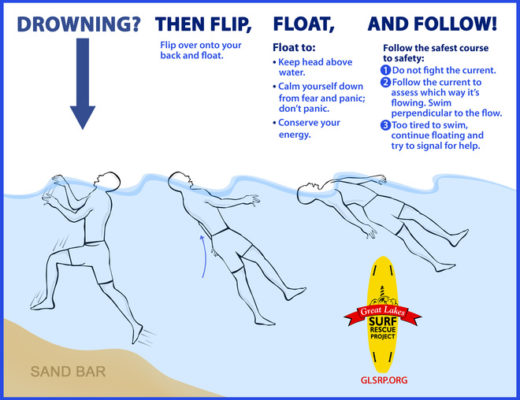
If you are caught in a rip current while swimming, you should not panic.
Simply stay afloat by treading water (moving your arms and legs in circular movements). Don’t try to swim against the current as it will only cause you exhaustion. Let the current sweep you out to sea but at your first opportunity swim parallel to the beach front until you are free of the rip current and then use the incoming waves to get back to shore.
While this is happening, scream for help and wave your arm to alert people on the beach to raise the alarm.
If you are taking the family to the beach, please go to beaches where and when lifeguards are on duty.
Identify where the lifeguards are on the beach, show your children, and if you need help, approach them immediately.
Swim within the safe swimming demarcated zones the lifeguards place on the beach using their red and yellow flags.
Lifeguards are looking out for where rip currents are forming and will ask bathers to move to between their red/yellow flags for the bathers own safety.
Do not drink alcohol if you are going swimming or boating.
When swimming in pools, rivers, at river mouths, in dams, lagoons and lakes, extreme caution should be observed at all times particularly where river currents, incoming and outgoing tides at river mouths and the flow of water can be dangerous to bathers.
Anglers
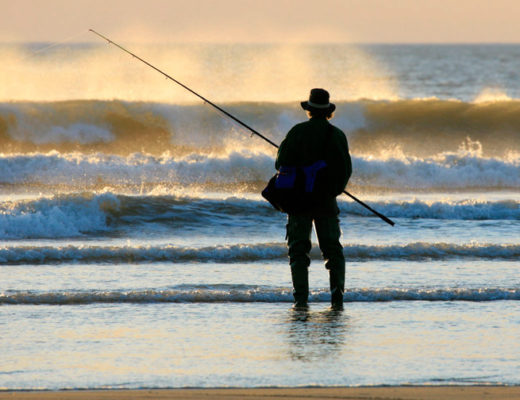
Anglers are at greatest risk during the Spring Tide where incoming waves during the high tides engulf higher than normal over rocks.
While fishing you should not turn your back to the sea and be vigilant and cautious of the wave action at all times.
Skippers
Boaters, paddlers, sail boarders and anyone launching any kind of craft onto water should wear their life-jackets at all times while on water and carry easily accessible safety equipment – red distress flares, communications cellphone or VHF radio with fully charged batteries in water tight plastic sleeves, a waterproof torch, highly visible neon coloured clothing, a referee whistle worn around the neck, a signalling mirror or CD disc (to use to shine against the sun).
Let a responsible person know your time of departure, your exact intended route and your estimated return time and check in with the responsible person on your safe return. (If you are overdue the responsible person should raise the alarm without hesitation).
The NSRI urges boaters and paddlers to download the free NSRI RSA SafeTrx app to their phone and use the app for safety when launching and while at sea.
HAVE YOUR SAY
Like our Facebook page and follow us on Twitter.
For news straight to your phone invite us:
WhatsApp – 072 069 4169
Instagram – zululand_observer