Turning trash into cash
Packaging and recycling group reprocesses half a million tons of paper and plastic
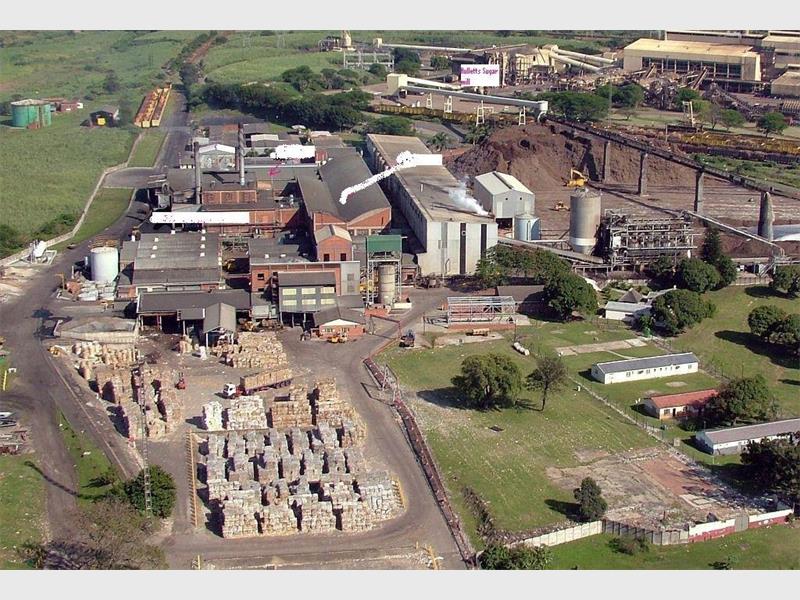

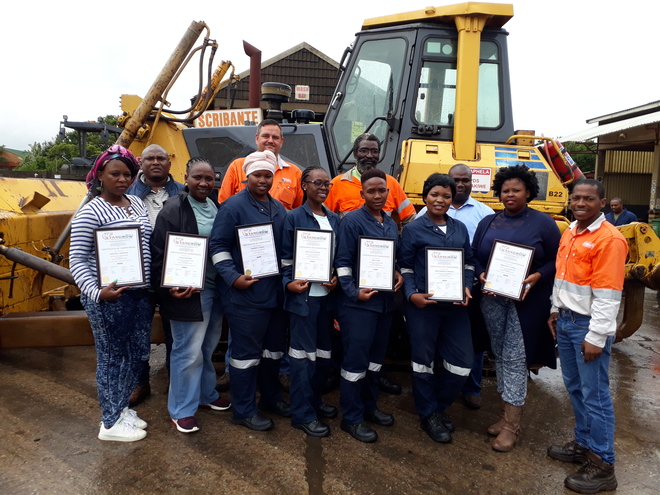
THE Mpact Felixton Paper Mill is part of the commendable drive by the national group which last year saw the collection and recycling of half a million tons of paper and plastic.
Mpact Recycling Managing Director John Hunt said this achievement is owing to the group’s educational programmes and ‘lightweighting’ investments, which includes the R765-million upgrade at the Felixton Mill to increase output capacity by 60 000 tons to 215 000 tons per annum.
The first phase of the project, which involved the installation of additional process equipment to increase the use of recycled fibre and enable the production of enhanced quality lightweight paper, was unveiled in January.
‘We are expanding our geographical footprint, which is also aided by our educational programmes,’ said Hunt.
‘This positively influences behaviour and attitudes towards recycling, including encouraging small business entrepreneurs to start paper and board collection businesses whilst receiving advice, training and in some cases equipment from Mpact Recycling.’
Equipping entrepreneurs
To ensure that local recycling entrepreneurs are equipped to succeed and grow, Mpact Recycling provides and installs equipment such as balers at dealers and suppliers.
‘These machines compress waste paper into cubes or bales, which helps owners to increase the volumes they are able to process and to reduce the time it takes to do so,’ said Hunt.
‘The technology also allows the centres to process and store more waste paper, effectively increasing the volume of their sales to Mpact Recycling.
‘Other equipment such as scales, trolleys, bags, bins and cages have also been supplied by us to assist in increasing the volumes.
‘To date, the company has numerous bins and cages used by its small businesses and buy-back centres, as well as almost 2 000 paper banks located countrywide at schools and communities.
‘Through these systems, as well as through schools, communities, ‘trolleypreneurs’, buy-back-centres and suppliers, the company has been able to strengthen recycling initiatives.’
Hunt emphasised the positive impact of recycling on climate change.
‘It particularly helps by preventing the incineration and landfilling of materials.
‘Reducing waste going to landfill is achieved by facilitating increased paper and plastic collections and helping to manage the costs of the collection of waste materials from various sources by upping their recycling capacity.
‘In South Africa, this means there are income opportunities in both the formal and informal waste sectors.’